

MILLIE LACS COUNTY, Minn. – Dangerous winter weather turned a routine hunting trip into a life-threatening situation earlier this month after a hunter became lost in rural Minnesota and was unable to find his way back amid harsh conditions.
The incident occurred on Jan. 3, when the man was hunting in remote areas of Millie Lacs County and was overtaken by severe winter weather, leaving him disoriented and stranded in deep snow.
Search and Rescue Teams Quickly Dispatched
After authorities were alerted that the hunter was missing, the Minnesota State Patrol and the Minnesota Air Rescue Team launched a coordinated search operation.
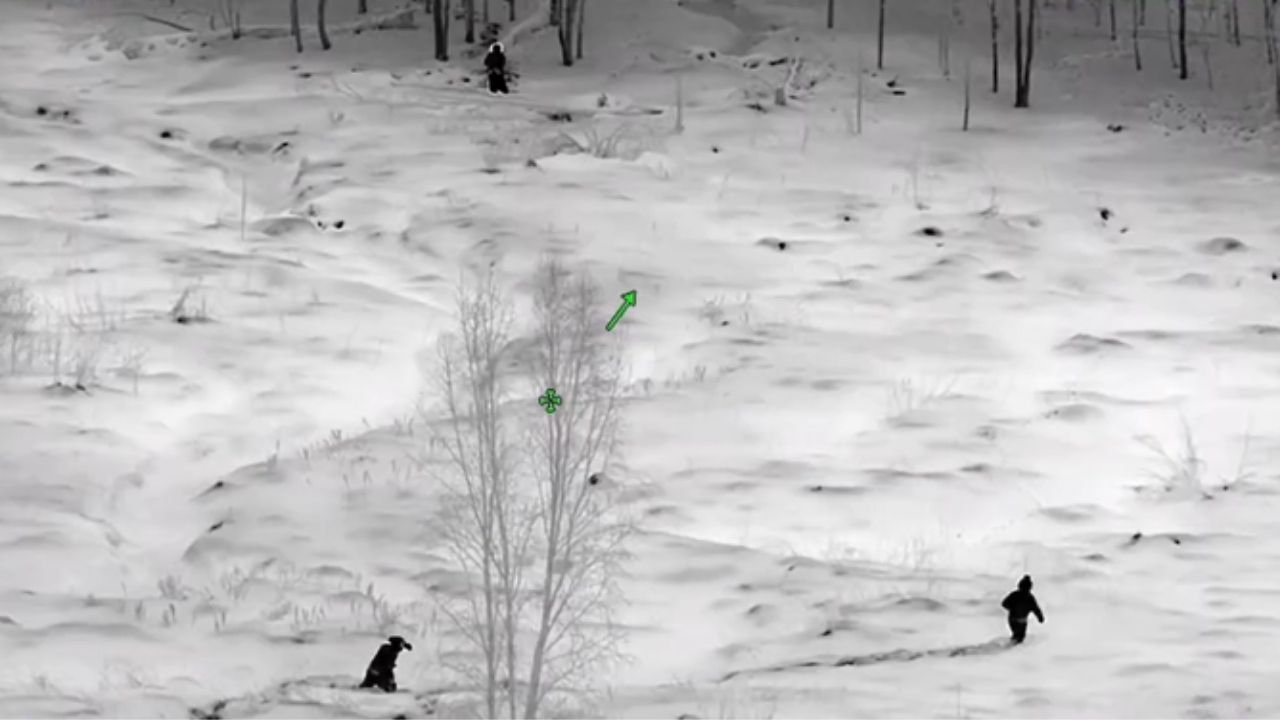
First responders used advanced tools, including night vision and thermal imaging technology, to scan the area from the air. Video footage from the rescue shows the hunter waving his arms as rescuers approached, allowing teams to locate him within minutes of beginning the aerial search.
Challenging Conditions on the Ground
Once the hunter was spotted, members of the air rescue team faced difficult conditions as they moved through heavy snow accumulation to reach him.
“Spending 12 hours lost in winter conditions, moving through deep snow can be frightening for anyone,” the Minnesota Air Team said in a statement.
Rescue personnel pushed through the snow to reach the stranded hunter and ensure his safety before conditions worsened.
Hunter Rescued Before Cold-Related Injuries Set In
Officials said the rescue occurred just in time, preventing serious cold-related injuries such as hypothermia or frostbite. Despite being lost for several hours in dangerous winter conditions, the hunter was found without any reported injuries or medical issues.
The man was safely extracted from the area and evaluated by responders, who confirmed that he did not require further medical treatment.
Officials Urge Caution During Winter Outdoor Activities
Authorities used the incident as a reminder that winter conditions in Minnesota can change rapidly and pose significant risks, even for experienced outdoor enthusiasts. They encourage hunters and hikers to prepare thoroughly, monitor weather conditions, carry communication devices, and inform others of their plans before heading into remote areas.