




Cherryville, NC – The firefighters responded to a dangerous outside fire Monday afternoon after a large diesel fuel tank ignited on West Academy Street, creating intense flames near a commercial building and forcing crews to upgrade the response due to the growing risk of explosions and structural exposure.
Fire officials confirmed that despite the hazardous conditions and multiple explosions during suppression efforts, no firefighters or employees were injured. Investigators are continuing to work to determine what caused the fire.
Incident Overview
The fire broke out Monday afternoon in the area of West Academy Street in Cherryville, where an outdoor diesel fuel tank located close to a business became engulfed in flames. Due to the size of the tank and the volume of fuel involved, the fire quickly intensified, generating heavy heat and smoke conditions.
Upon arrival, crews immediately recognized the threat posed to the nearby commercial structure. Because of the proximity to the building and the potential for fire spread, the incident was upgraded to a commercial structure fire, allowing for additional resources and mutual aid to be dispatched.
Escalation and Explosions During Operations
As firefighters began suppression efforts, conditions on the scene became increasingly volatile. Officials said that several explosions involving propane and oxygen cylinders occurred during active firefighting operations, dramatically increasing the danger to crews working near the fire.
The explosions prompted command officers to reassess the strategy and prioritize firefighter safety. Crews were pulled back from close-range positions to avoid further risk from exploding cylinders and fuel-fed flare-ups.
Defensive Firefighting Tactics Deployed
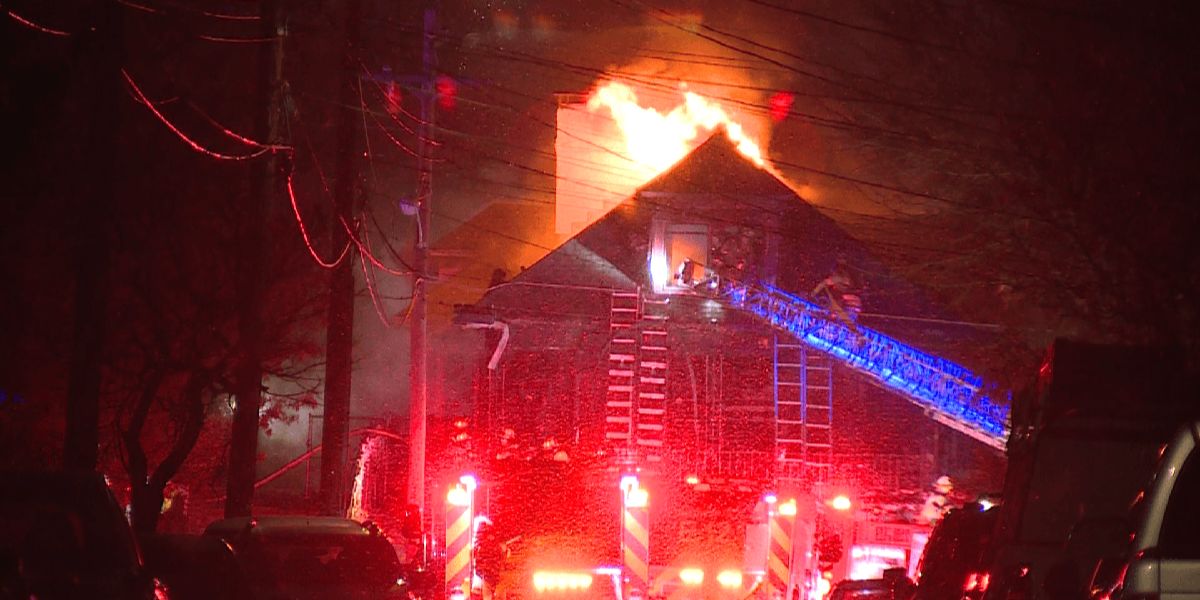
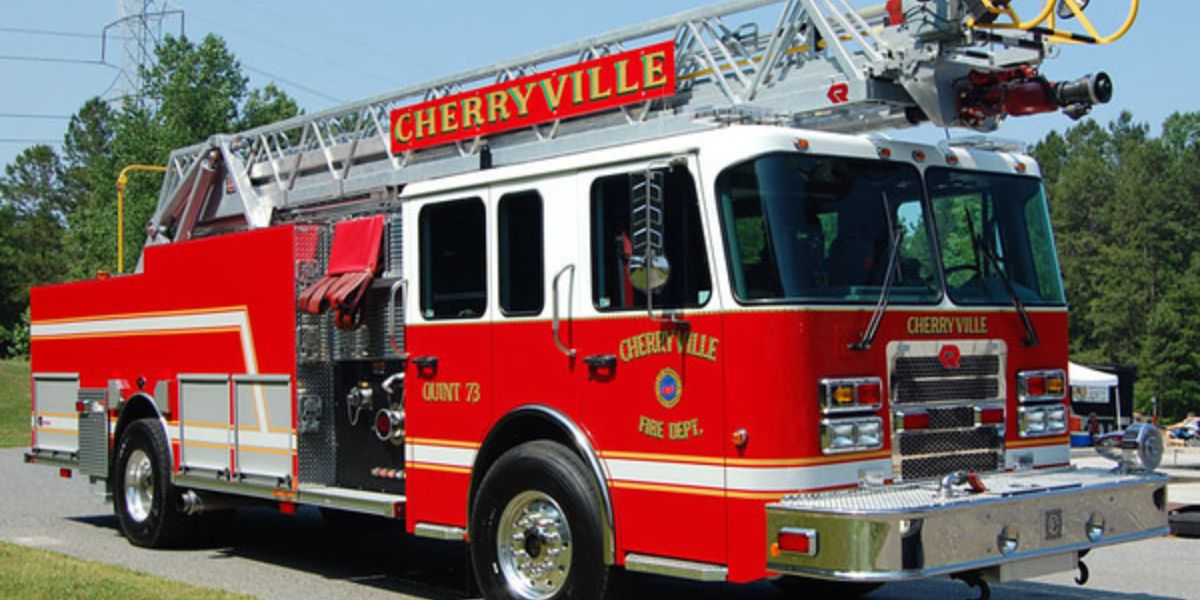
Following the explosions, firefighters transitioned to defensive firefighting tactics, using an aerial device to attack the fire from above and at a safer distance.
This approach allowed crews to:
- Knock down the main body of the fire
- Prevent flames from spreading to the adjacent commercial building
- Shield surrounding properties from radiant heat and secondary ignition
Fire officials noted that the defensive strategy was critical in stabilizing the incident while minimizing exposure to hazardous materials and additional explosions.
Hazardous Materials and Environmental Concerns
Because the fire involved diesel fuel and compressed gas cylinders, hazardous materials were a major concern throughout the response. The Gastonia Fire Department’s HazMat team was requested to assist with specialized mitigation efforts.
HazMat crews focused on controlling fuel runoff, monitoring the scene for additional hazards, and preventing environmental contamination as suppression operations continued. According to guidance outlined by Gaston County Emergency Management, incidents involving fuel tanks require careful runoff control to protect storm drains, soil, and nearby waterways.
Multi-Agency Response
The scale and complexity of the fire required assistance from multiple agencies. Several neighboring fire departments responded to provide manpower, apparatus, and specialized equipment, while Gaston County emergency services supported scene coordination and safety operations.
Officials emphasized that mutual aid played a key role in ensuring the fire was contained efficiently and that sufficient resources were available as conditions evolved.
Public Safety and Fire Prevention Context
Fires involving fuel storage and compressed gas cylinders are especially dangerous due to the risk of sudden explosions and rapid fire growth. Fire officials regularly urge businesses and property owners to review safety practices related to hazardous materials.
Recommended precautions include maintaining safe distances between fuel tanks and structures, securing and properly storing propane and oxygen cylinders, and ensuring employees know emergency reporting and evacuation procedures. Early detection and rapid reporting can significantly reduce the risk of injuries and property damage.
Investigation Ongoing
Once the fire was brought under control and the scene secured, investigators began working to determine how the diesel tank ignited. Officials have not yet released details about a possible cause, and the investigation remains active.
Fire officials said more information may be released as investigators continue to examine the scene and review conditions leading up to the fire.
Authorities continue to stress the importance of proper fuel storage and hazardous material safety to help prevent similar incidents in the future.
Share your experiences in the comments below.