




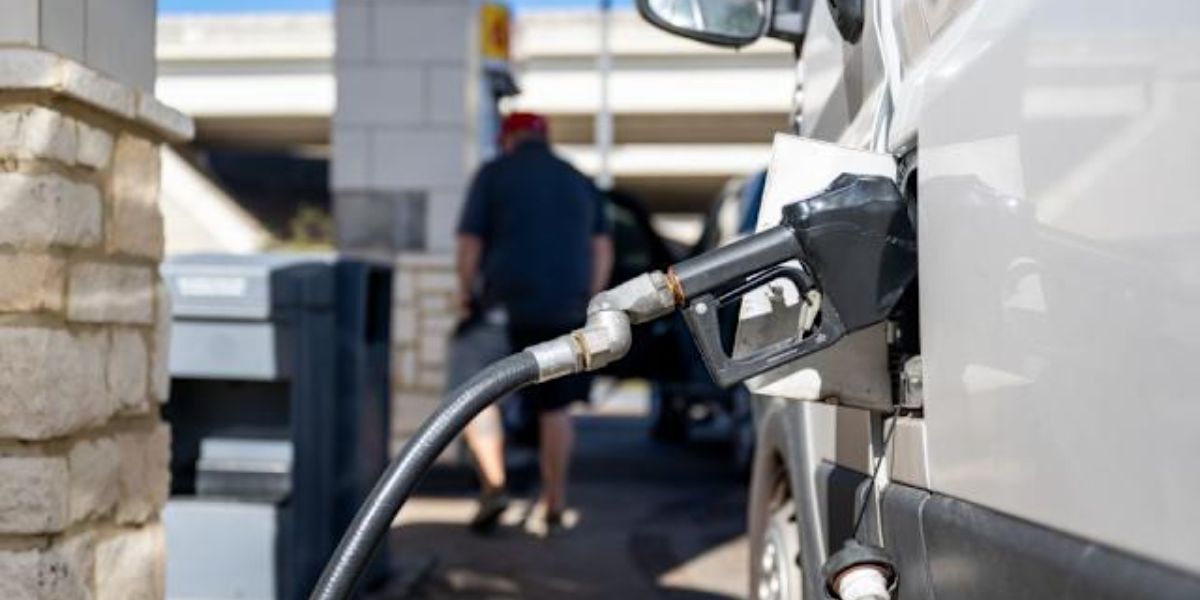
Raleigh, NC – North Carolina drivers are enjoying the lowest traditional fuel prices in the state since the early days of the COVID-19 pandemic, according to recent data from AAA. Average prices for unleaded regular gasoline have dropped to $2.61 per gallon, a five-cent decrease from last week and the lowest since spring 2020, when pandemic-related restrictions temporarily pushed prices below $2 a gallon.
The state’s average is currently 20 cents below the national average of $2.81, marking a significant relief for motorists across the ninth-largest state in the nation by vehicle registrations, which totals over 8 million combustion engine vehicles.
Diesel and Summer Fuel Pricing
Diesel fuel averages $3.39 per gallon statewide, with regional variations affecting consumers differently. The Environmental Protection Agency (EPA) mandates that between June 1 and September 15, less volatile summer blend fuel must be sold, which typically costs 10 to 15 cents more per gallon than standard fuel.
Among major metro areas, the least expensive gasoline can be found in Goldsboro and the Hickory-Lenoir-Morganton area at $2.50 per gallon, while the Durham-Chapel Hill metro records the highest at $2.81 per gallon. Diesel prices are lowest in Hickory-Lenoir-Morganton at $3.26 per gallon.
Electric Vehicle Charging Rates
Electric vehicle (EV) drivers in North Carolina also benefit from competitive charging rates. AAA reports the state average for electricity used in EV charging is 35.5 cents per kilowatt-hour, slightly below the national average of 38.3 cents per kWh.
As of early 2025, the state rate was 33.5 cents per kWh, with the national average at 34.7 cents per kWh. North Carolina has more than 100,000 registered zero-emission vehicles, reflecting a growing adoption of EVs alongside traditional combustion engine vehicles.
Statewide Fuel Comparisons
Nationwide, 21 states have lower average prices than North Carolina for unleaded gasoline, 21 states are lower for diesel, and 14 states have cheaper electricity for EV charging.
Motor fuel taxes in the state, set at 41 cents per gallon for 2026, are used to fund the Department of Transportation’s highway and multi-modal projects. These revenues are allocated to the Highway Fund and the Highway Trust Fund, which together account for more than half of the state’s transportation resources. By comparison, California leads the nation at 61.2 cents per gallon, followed by Pennsylvania, Washington, Michigan, New Jersey, Illinois, and Maryland.
Economic Impact for Drivers
The drop in fuel prices over the past month has been significant: a month ago, the average was $2.80 per gallon, and a year ago, it was $2.85 per gallon. These reductions offer relief to consumers across commuting corridors and support economic activity in both rural and urban areas of North Carolina.
Have you noticed the lower gas prices in your area? How are the savings impacting your daily commute or household budget? Share your observations in the comments below.