



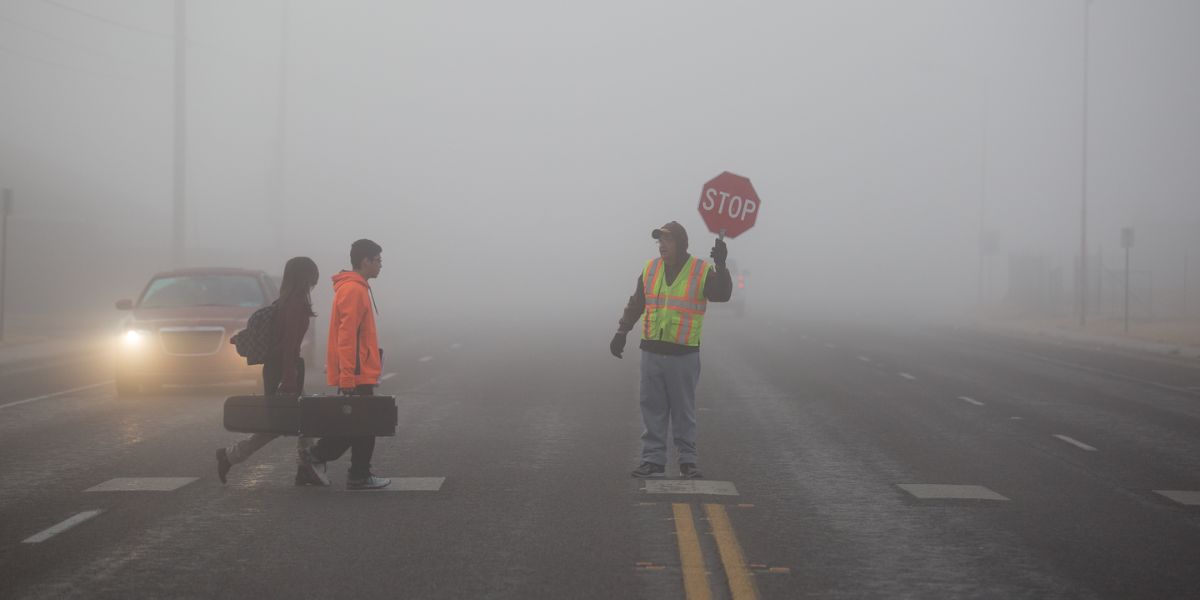
Beaumont, Texas – Meteorologists have issued a weather impact alert for Southeast Texas as dense fog is expected to develop overnight Tuesday into Wednesday morning, creating hazardous travel conditions. The advisory covers most of the region, with visibility expected to fall sharply due to marine and sea fog forming along the coast and inland roadways.
Officials warn that the timing of the fog could significantly affect overnight travel and the Wednesday morning commute, prompting drivers to use extreme caution.
Fog Advisory in Effect
A Dense Fog Advisory is in effect across most of Southeast Texas from 10 p.m. Tuesday until 10 a.m. Wednesday. Forecasters say a stalling front near the Lakes Area combined with warm, moist air flowing over cooler coastal waters will create widespread marine and sea fog.
The primary concern is dangerously low visibility, with some areas seeing conditions deteriorate rapidly overnight.
What’s Causing the Dense Fog
Meteorologists explain that the fog is forming due to a classic setup for marine and sea fog along the Gulf Coast. A mild, moist southerly flow is moving over chilly coastal waters, causing the air near the surface to cool to saturation.
“The moist air is cooled to saturation as it moves over colder coastal waters, producing dense marine and sea fog,” meteorologists said when describing the setup.
As the fog thickens, it can spread inland from coastal and marine areas, affecting highways, bridges, and low-lying regions well away from the immediate shoreline.
Timeline of the Weather Impact Alert
The fog event is expected to follow a clear timeline that drivers and residents should be aware of:
- WHEN: Tuesday, 10 p.m. to Wednesday, 10 a.m.
- IMPACT: Low visibility due to dense fog
- AFFECTED AREAS: Most of Southeast Texas, including coastal and inland routes
- PRIMARY RISK: Overnight travel and the Wednesday morning commute
Forecasters say fog could become especially dense during the pre-dawn hours, when temperatures are coolest and saturation is most likely.
Travel and Visibility Concerns
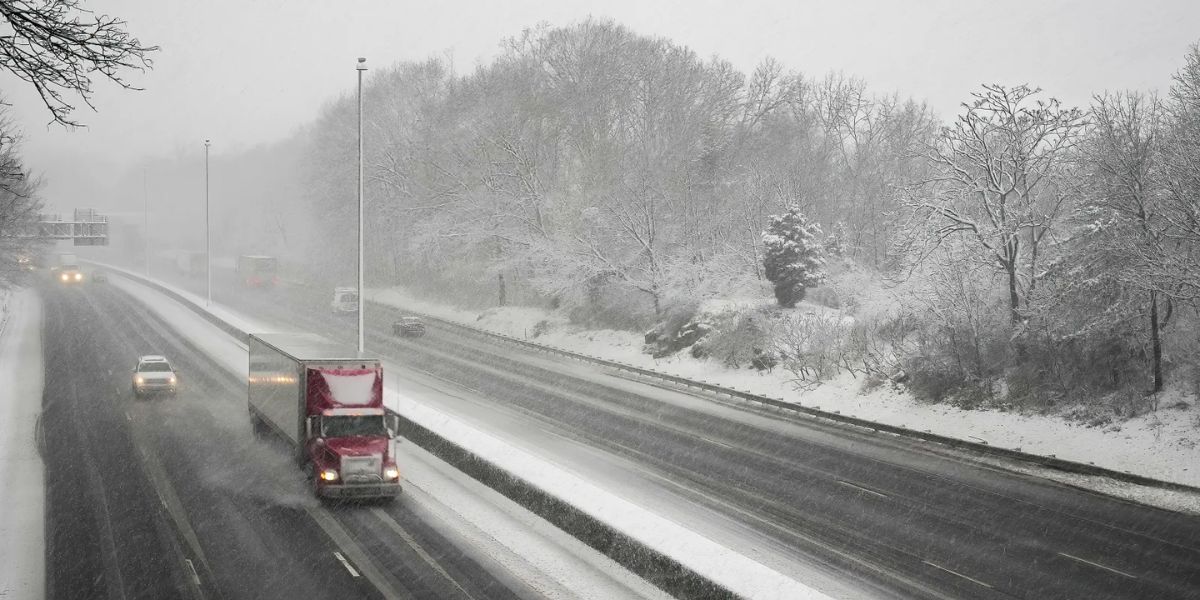
Visibility levels are expected to dip below ¼ mile in some locations, which can make it difficult for drivers to see traffic signals, road signs, and other vehicles until they are dangerously close.
“Drivers should leave early, slow down for the conditions, and use low-beam headlights,” weather officials advised, noting that high beams can reflect off fog droplets and further reduce visibility.
Bridges, overpasses, and areas near water are often the first places where dense fog forms and lingers the longest, increasing the risk of accidents during overnight and early-morning hours.
Marine and Coastal Impacts
In addition to roadways, marine conditions are expected to be hazardous due to sea fog, which can significantly reduce visibility for boaters navigating bays, rivers, and nearshore Gulf waters.
Small vessels may have difficulty spotting channel markers and other boats, increasing the risk of collisions. Mariners are urged to delay travel if possible or use radar and navigation aids with caution. Updated marine advisories and fog statements are available through the National Weather Service.
Safety and Awareness Tips
Officials emphasize that preparation and caution can greatly reduce risk during dense fog events. Drivers and residents across Southeast Texas are encouraged to follow these safety steps:
- Slow down and allow extra travel time
- Use low-beam headlights or fog lights
- Maintain extra distance between vehicles
- Avoid sudden stops or lane changes
- If visibility becomes too poor, pull off the road safely and wait for conditions to improve
Pedestrians and cyclists should also remain alert, as reduced visibility makes it harder for drivers to see people near roadways.
What Happens After Wednesday Morning
Fog conditions are expected to gradually improve after 10 a.m. Wednesday as temperatures rise and daytime mixing helps dissipate the saturated air near the surface. However, forecasters note that fog can linger longer in shaded or low-lying areas.
Residents are advised to continue monitoring local forecasts in case advisories are extended or reissued, especially if similar weather patterns persist.
Conclusion
Dense fog poses a serious but often underestimated hazard, particularly when it develops overnight and during peak commute times. With visibility potentially dropping below a quarter mile across much of Southeast Texas, officials urge drivers and boaters to remain cautious until conditions improve later Wednesday morning.
Staying informed and adjusting travel plans can help prevent accidents during this weather impact alert. Share your experiences in the comments below.