



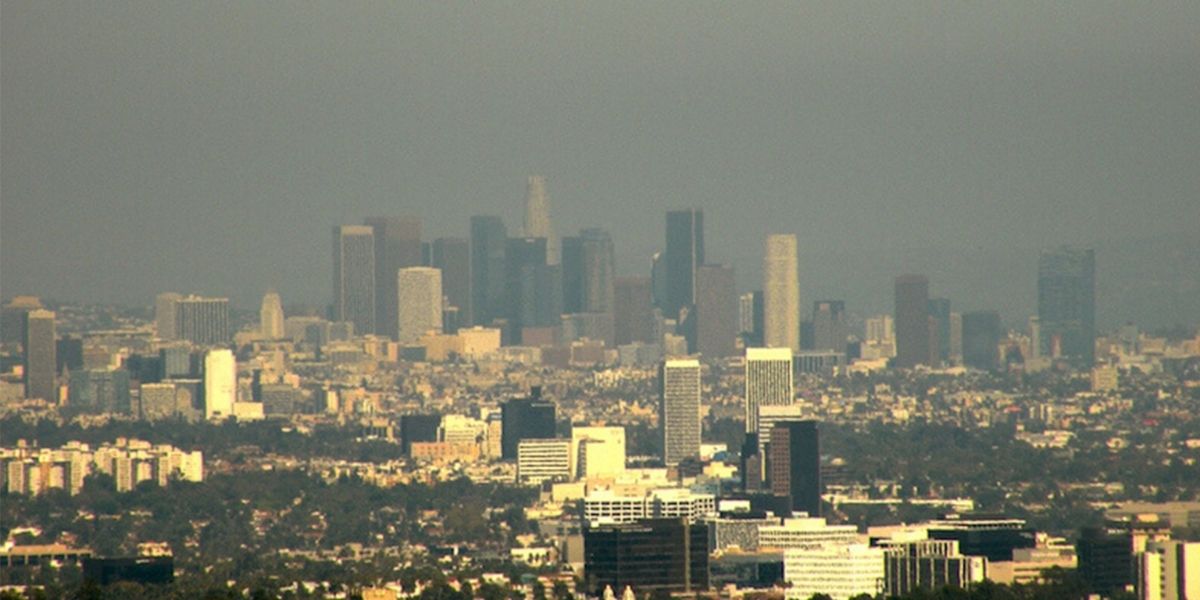
Portland, OR – Thousands of residents across parts of California, Nevada, Oregon, and South Dakota have been advised to limit outdoor activity as levels of fine particle pollution (PM2.5) reached “unhealthy” levels on January 12, 2026, at 6 a.m. ET, according to the Environmental Protection Agency (EPA). Health officials are urging people, particularly those in sensitive groups, to stay indoors and take precautions against exposure to the hazardous air.
Incident Overview
The EPA’s AirNow Map indicates that airborne concentrations of PM2.5—tiny inhalable particles 2.5 micrometers or smaller—have risen to levels capable of affecting the health of the general population. Officials highlighted that elderly individuals, children, and people with respiratory or cardiovascular conditions face the greatest risk from the pollution.
“Your chances of being affected by particles increase the more strenuous your activity and the longer you are active outdoors. If your activity involves prolonged or heavy exertion, reduce your activity time—or substitute another that involves less exertion. Go for a walk instead of a jog, for example,” the EPA warned.
Authorities advise that even otherwise healthy individuals reduce prolonged or intense outdoor exercise, as heavy physical activity causes people to breathe faster and more deeply, allowing harmful particles to penetrate deeper into the lungs.
What ‘Unhealthy’ Levels of PM2.5 Mean
PM2.5 is considered one of the most dangerous forms of air pollution because its tiny size allows it to reach deep into the lungs and even enter the bloodstream, potentially triggering or worsening conditions such as asthma. Exposure can also cause coughing, eye, nose, or throat irritation, shortness of breath, and chest tightness.
The Air Quality Index (AQI) is used to classify air quality and communicate potential health effects to the public. Under the AQI, “Unhealthy” air quality (151–200) indicates that everyone may begin to experience health effects, with more serious impacts for sensitive groups. For reference, the AQI categories are:
- Good (0–50): Little or no risk to the public
- Moderate (51–100): Minor concern for unusually sensitive individuals
- Unhealthy for sensitive groups (101–150): Members of sensitive groups may experience health effects
- Unhealthy (151–200): Everyone may begin to experience health effects
- Very Unhealthy (201–300): Serious health effects for everyone
- Hazardous (301+): Health warnings of emergency conditions; entire population likely affected
Causes of PM2.5 Pollution
PM2.5 can originate from wildfires, smokestacks, industrial emissions, and vehicles. Weather conditions, such as stagnant air or low wind speeds, can exacerbate pollution by allowing fine particles to accumulate near the ground. In recent weeks, wildfire smoke and emissions from urban centers have contributed to widespread unhealthy air across the affected states.
Officials note that these particles are invisible to the naked eye but pose a serious health risk, particularly during extended periods of exposure.
Health Precautions and Public Awareness
Authorities emphasize minimizing exposure by staying indoors and limiting physical activity outside, especially for those in sensitive populations. Using air purifiers indoors, keeping windows and doors closed, and avoiding exercise near busy roads or industrial areas can help reduce inhalation of PM2.5 particles.
Individuals experiencing respiratory distress, coughing, or chest tightness are advised to seek medical attention promptly. Health officials also recommend that people monitor local air quality updates and follow guidance from public health authorities until PM2.5 levels improve.
Regional Impact
The advisory affects thousands of residents across multiple western and midwestern states, highlighting the far-reaching effects of fine particle pollution. With ongoing sources such as wildfires and vehicle emissions, experts warn that residents may continue to face periods of unhealthy air quality through the winter months.
Public safety messaging stresses that even short-term exposure can have measurable health impacts, particularly for children, the elderly, and those with preexisting medical conditions.
Conclusion
Unhealthy levels of PM2.5 pollution across parts of California, Nevada, Oregon, and South Dakota have prompted urgent health warnings, urging sensitive groups to remain indoors and the public to limit strenuous outdoor activities. As air quality fluctuates, continued vigilance and precautionary measures are essential to protect health.
Share your experiences in the comments below.