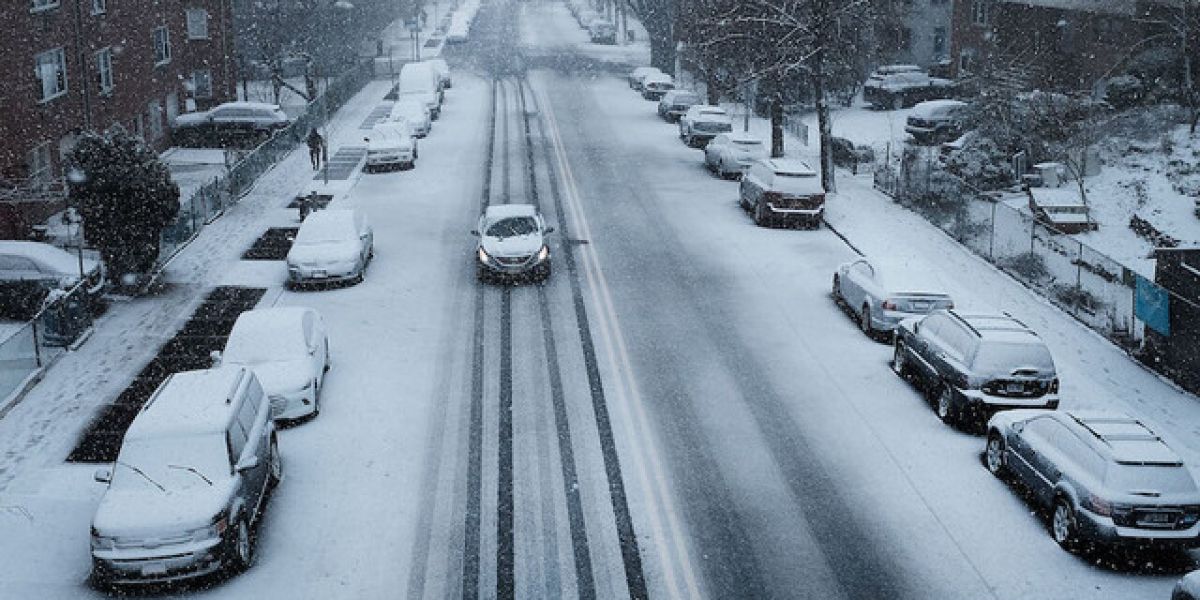





New York City – A large midweek winter storm system is expected to impact at least 25 states, bringing snow to lake-effect regions of the Midwest, parts of the Tennessee Valley, and interior Northeast, while much of the East Coast contends with widespread rain. Forecasters say the system’s evolving structure will limit the risk of a major East Coast snowstorm but still create hazardous travel conditions in several regions.
Storm Overview
Meteorologists had initially anticipated that a fast-moving clipper system tracking toward the Great Lakes on Tuesday would combine with colder air to produce a significant snowstorm across much of the eastern United States. However, a surge of warmer air ahead of the system is now expected to change much of the precipitation to rain before colder air fully settles in.
As a result, snow totals will be more limited across the East Coast, while areas closer to the Great Lakes and down into parts of the Tennessee Valley remain more likely to see accumulating snow.
Rain Dominates the East Coast
By Wednesday, rain is expected to overspread much of the East Coast, including major population centers along the I-95 corridor, where impacts are forecast to be minimal. Warmer temperatures and abundant moisture ahead of the storm will significantly reduce the chance for snow accumulation in these areas.
Forecasters note that while a few brief snow showers are possible farther inland—depending on how quickly colder air arrives—accumulation remains unlikely due to lingering warmth and rain-soaked ground conditions.
Cold Front Drives Snow Potential
As the clipper system continues south and east, a strong cold front trailing behind it becomes the main driver for wintry weather. Once the front passes, temperatures will drop quickly, allowing rain to transition to snow in select areas.
Parts of the Ohio Valley could see scattered snow showers as colder air pushes in, though snowfall amounts are expected to be light overall. Even so, forecasters warn that a brief burst of snow could reduce visibility and create sudden slick spots on roadways, particularly during peak travel hours.
Snow Reaches the South
Unlike many winter systems, this storm has enough energy to push snow showers as far south as North Carolina and Tennessee, especially in higher elevations and areas closer to the cold air boundary. While widespread heavy snow is not expected in the South, even light accumulations could impact regions less accustomed to winter weather.
Drivers in these areas are urged to remain alert, as short-lived snow squalls can quickly create hazardous travel conditions.
Lake-Effect Snow Returns
Behind the departing system, much colder air pouring over the Great Lakes will set the stage for renewed lake-effect and lake-enhanced snow. These conditions are expected to intensify late Wednesday into Thursday.
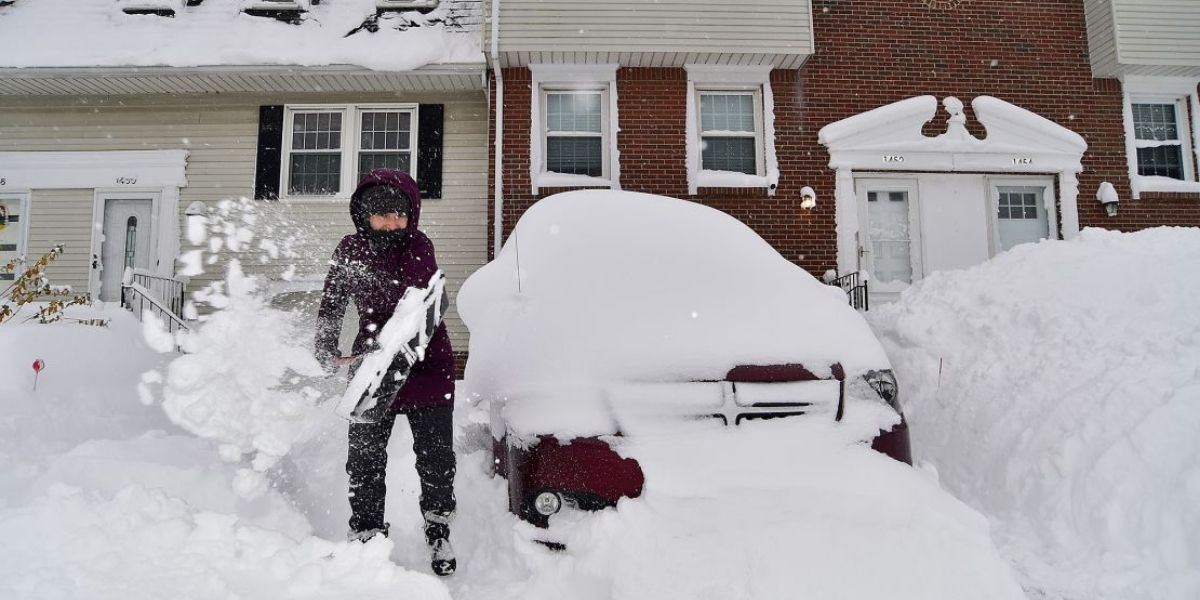
The lake-effect snowbelts of the Midwest and interior Northeast are once again expected to see the highest accumulations, with snowfall rates increasing where winds align favorably over open water.
Great Lakes Hot Spots
Forecasters are closely watching the Lake Michigan shoreline, particularly from western Michigan westward toward the Indiana–Illinois border. If winds shift from southerly to northerly, snow bands could become more persistent and intense, leading to locally heavy accumulations.
These lake-effect bands are notoriously difficult to predict and can result in dramatic differences in snowfall over short distances, making travel especially challenging.
Appalachian Upslope Snow
Colder air moving in behind the storm will also support upslope snow across the Appalachians, where terrain-enhanced snowfall could linger even after the main system exits. While totals are not expected to be extreme, accumulations could be enough to affect mountain travel.
Travel and Safety Considerations
Although this storm no longer appears poised to deliver a blockbuster snow event for the East Coast, its widespread footprint means many areas will still be impacted in different ways. Rapid weather changes, shifting precipitation types, and lake-effect snow bands all pose risks to travelers.
Motorists are advised to monitor local forecasts closely, especially in lake-effect regions where conditions can deteriorate quickly with little warning.
Conclusion
This midweek storm highlights the complexity of winter forecasting, with warm and cold air battling for control across the country. While rain will dominate along the East Coast, snow will still impact large portions of the Midwest, Great Lakes, Appalachians, and parts of the South, keeping winter hazards firmly in place.
Share your experiences in the comments below.